 Good For One Galaxy
Although our past blogs have been about a specific destination, I felt the need to write a post about Peru as a whole.
This deeply historical and cultural country truly stole our hearts and was our most favourite country visited on our South American trip, and to think we considered boycotting this fantastic place!
You see, in the early stages of planning our trip, right up until our last days at home we were constantly hearing and reading negative stories about Peru, from dodgy taxi drivers stealing backpackers’ money and a pickpocketing epidemic, to violent kidnappings and guerrilla attacks on westerners.
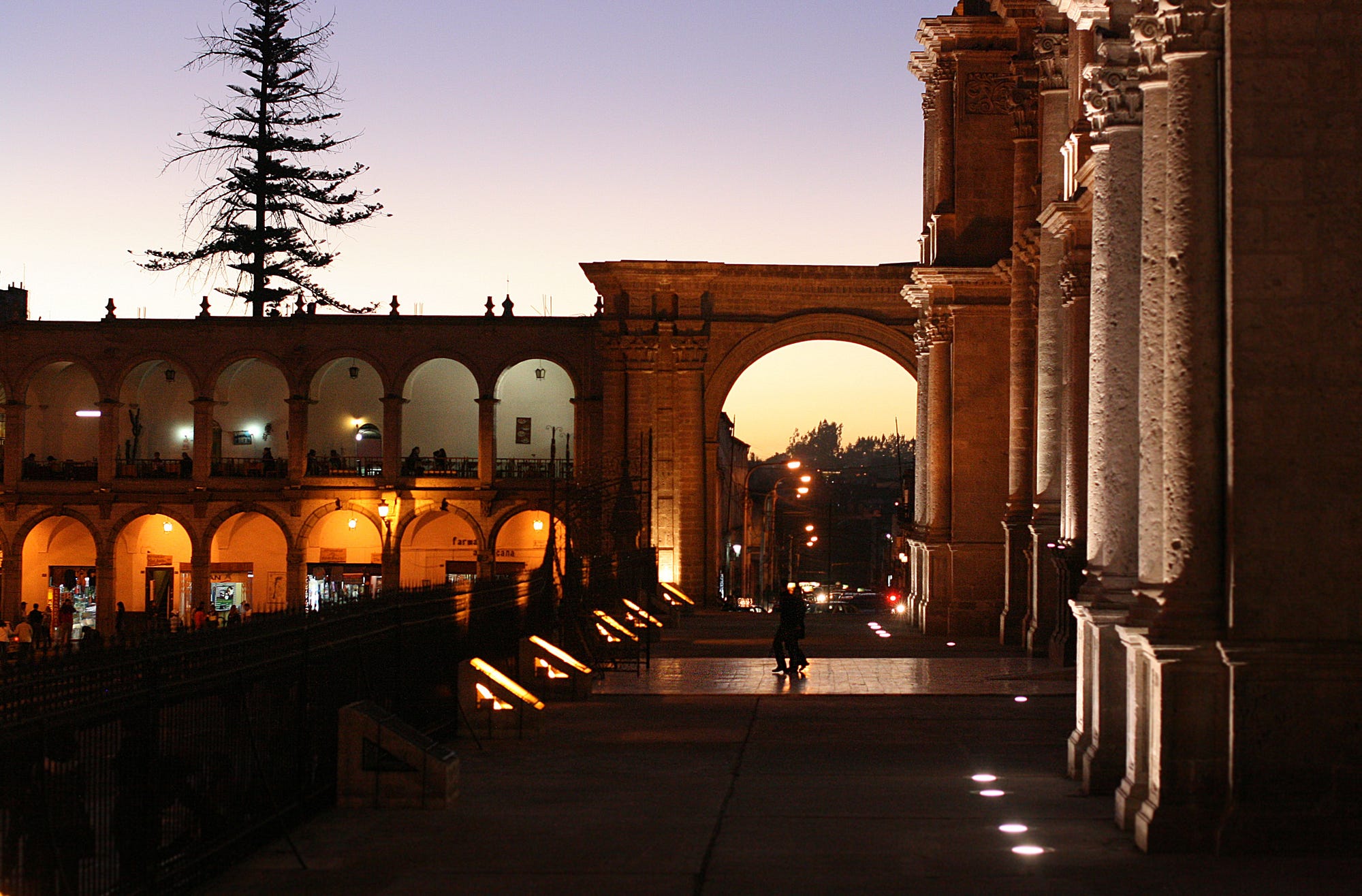 Looking across the Basilica Cathedral of Arequipa at dusk
These stories were usually told to friends and family from friends of friends, where, as we know, all stories tend to get exaggerated as its passed along the grapevine, but I also read blog post after blog post warning fellow travellers about the dangers of Peru, even our government advised us against travelling there! The only reason we initially decided to come to Peru for was to walk the great Inca trail to Machu Picchu and then hightail it out of there.
No doubt, these situations and terrible scenarios have happened and still do happen, but I find that most people seem keener on passing on horror stories than sharing a great experience.
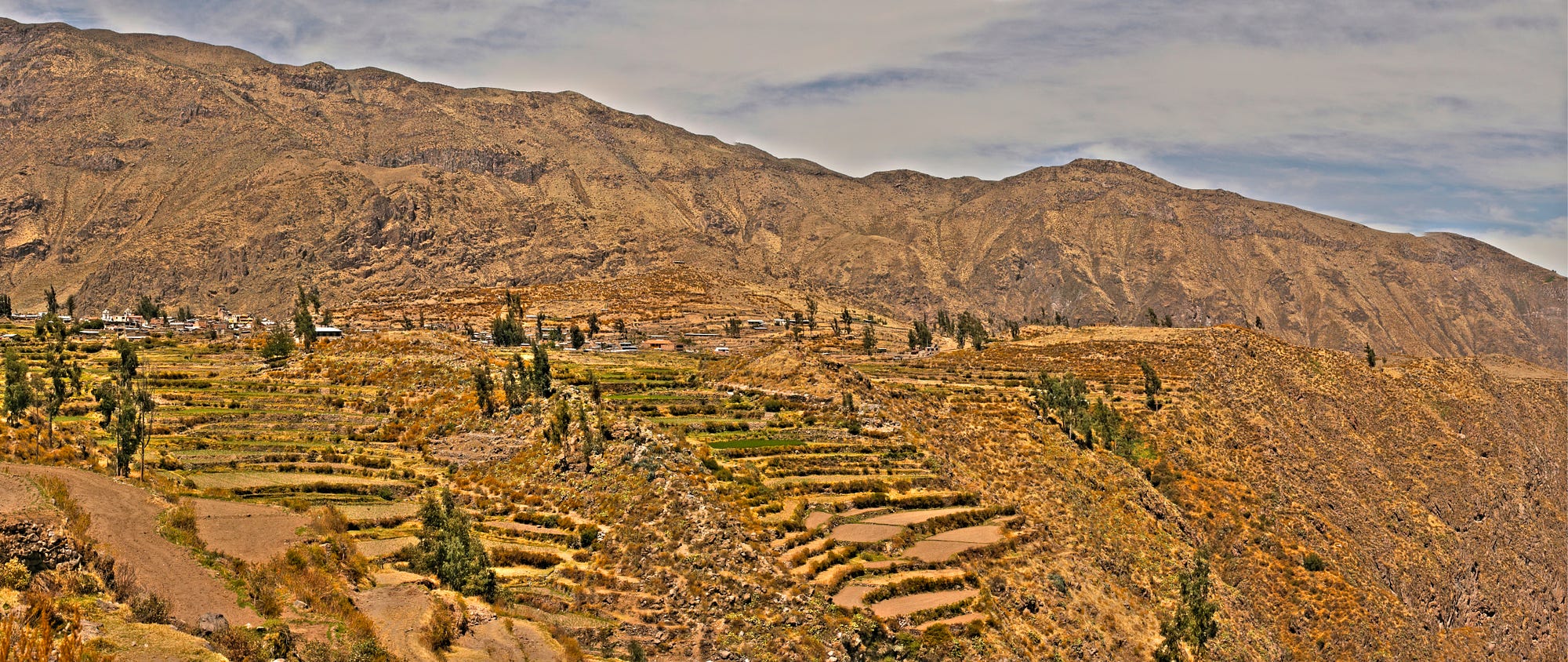 The many terraces found around Colca Canyon.
Colca Canyon is only a few hours from Arequipa. It is more than twice as deep as the Grand Canyon and is where the elusive Condor lives, making it a major draw for sightseers and trekkers.
I guess I aim to change this stigma and this ridiculous perception of Peru by saying how bloody fantastically amazing this country actually is!
Our first ‘welcome to Peru’ moment was at border control between Chile and Peru. It took about an hour just to exit the country of Chile, even though one would think that exiting should only take a few minutes at best. Within literally two minutes of entering the border control building for Peru, our packs were swiftly scanned and we received a big, fat, ‘Welcome to Peru’ entry stamp.
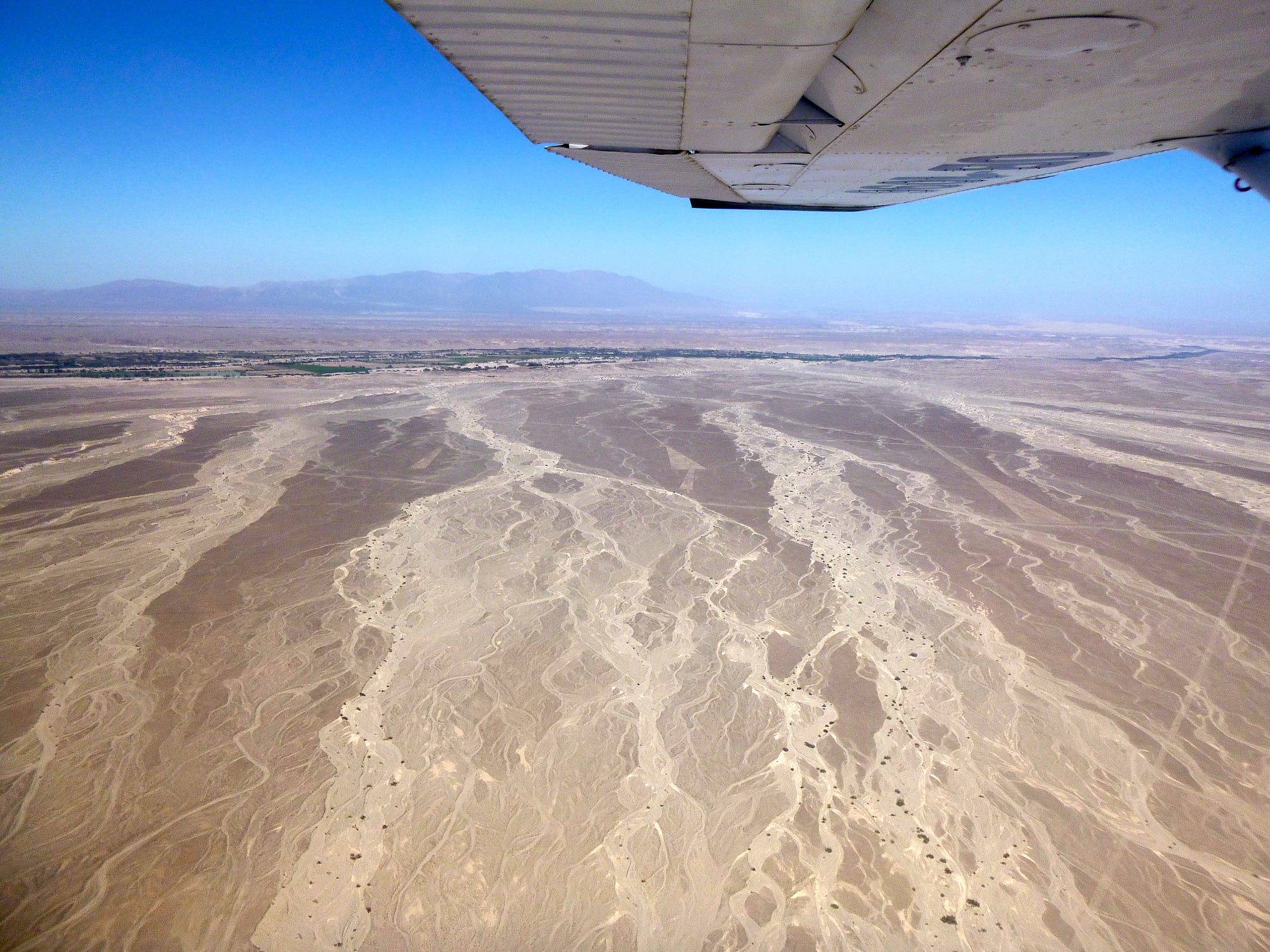 Our flight over the Nasca lines. The scenery was just as spectacular as the lines itself
But it’s the cultural history, the people, and the food that really makes this country what it is.
The most famous of these are Machu Picchu, the Nasca Lines and Sacsayhuaman
Peru is the gateway to ancient history. It was the mecca of the Incan Civilization for hundred of years before the Spanish conquest in the 16th century. In almost every city and every town in this country you will find ruins, temples and relics of this ancient civilization. The most famous of these are Machu Picchu, the Nasca Lines and Sacsayhuaman, with the epicenter of the Incan Empire culminating in the cultural capital of Cusco (more on this area of Peru in a later blog) and the birth of the empire originating in Lake Titicaca, an enormous lake that sits on the boarder between Peru and Bolivia, (also more on this area in a later blog).
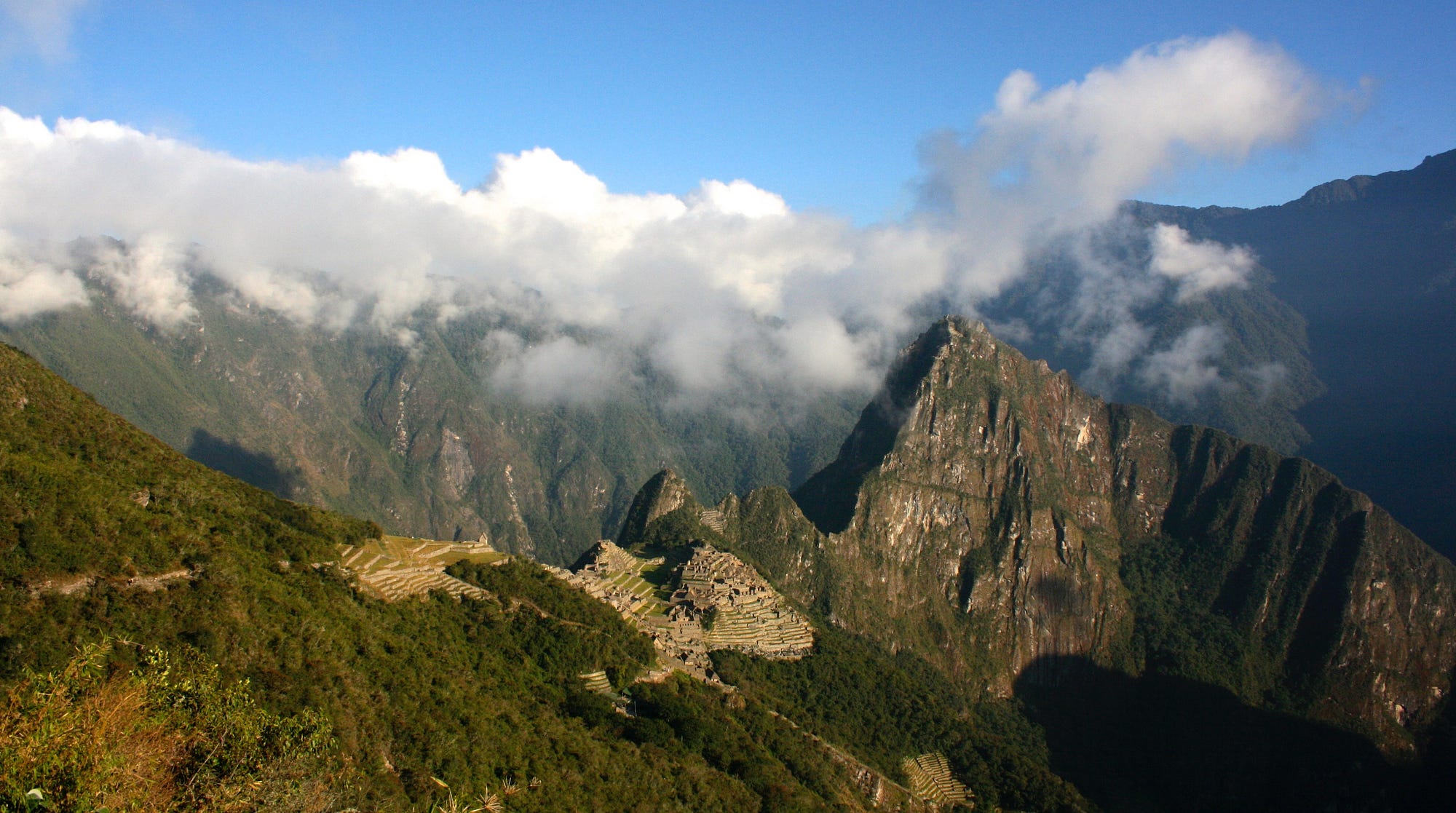 Looking out over Machu Picchu at the top of the Sun Gate. After 3 days of trekking it was a welcoming, and thrilling sight.
It is this rich history, that makes this country so mysterious, so reverent, and coming from Australia, so hard to comprehend a country that is this old when our own is so young.
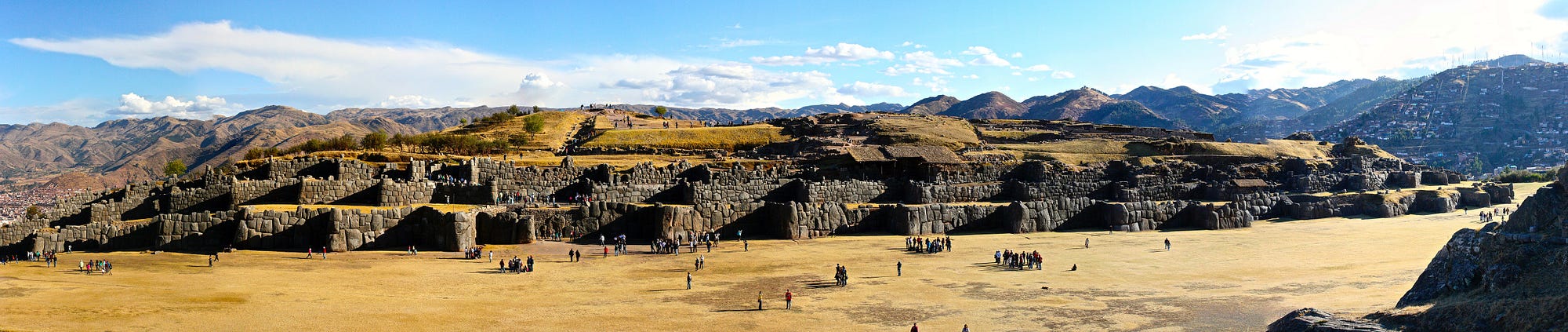 The ruins of Sacsayhuaman
It is unknown what this area may have been used for (possibly a fort) but the real marvel is the perfect laying of each stone, with some boulders standing over 10 feet high and weighing tonnes.
How did they get such precision without using mortar, and in an age before mechanical tools and heavy machinery.
Much of the Peruvian culture and way of life still reflects ancient beliefs and culture. Most of the people are somewhat poor, often relying on self-sufficiency to survive, but all that we have met and spoke to were humble with life and proud to be Peruvian. If you showed any interest in their culture or history, we found that most were quick and willing to speak with passion and love for their country.
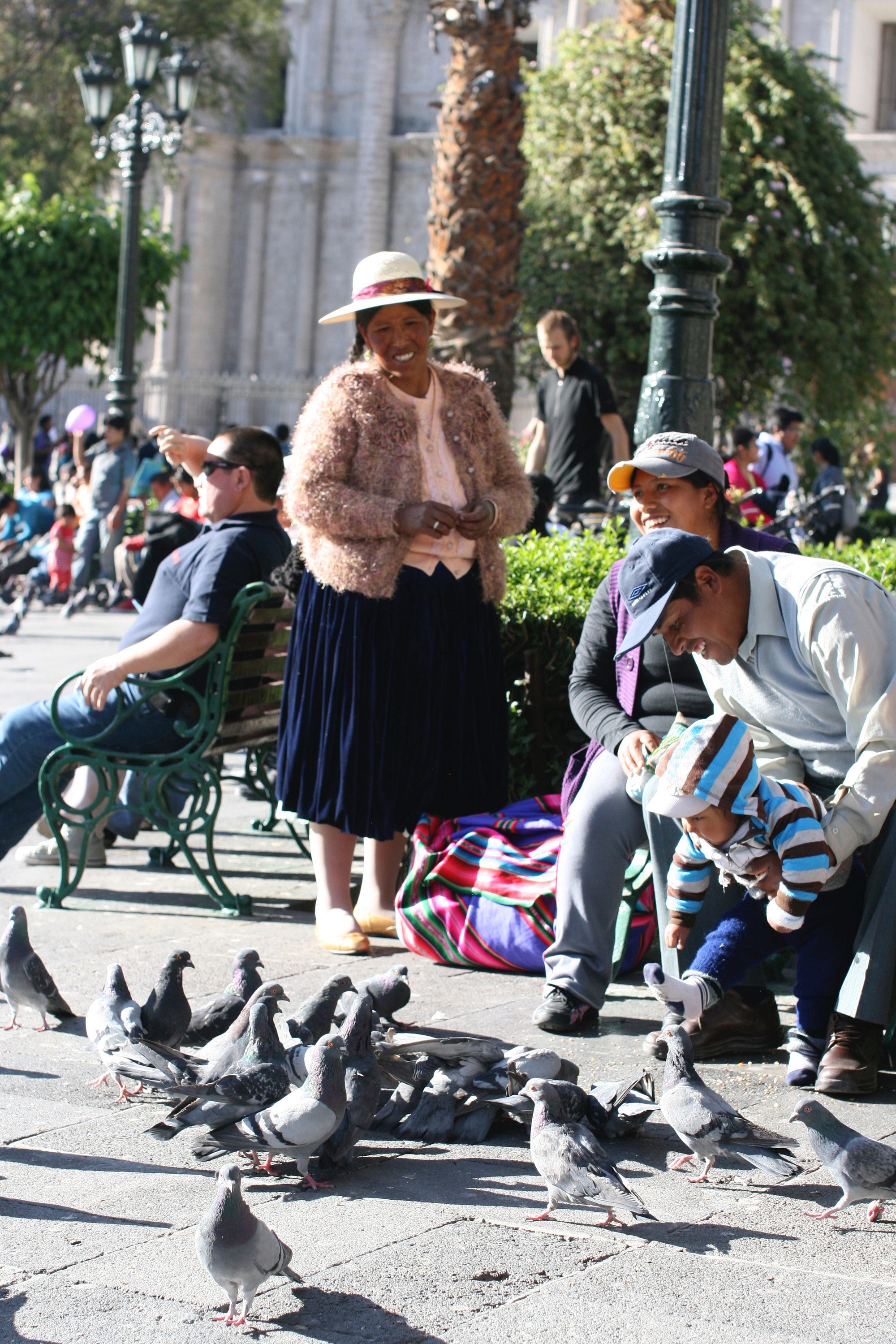 Locals enjoying the square in Arequipa
The cities in Peru are also quite spectacular from an architectural point of view. You would usually see a mixture of ancient ruins standing alongside an ornate western cathedral. Unfortunately the ‘Spanification’ and Catholicizing of Peru has led to many ancient ruins being destroyed or built over with churches and other Catholic monuments, so it’s quite sad to know that a part of ancient Incan history has been lost forever.
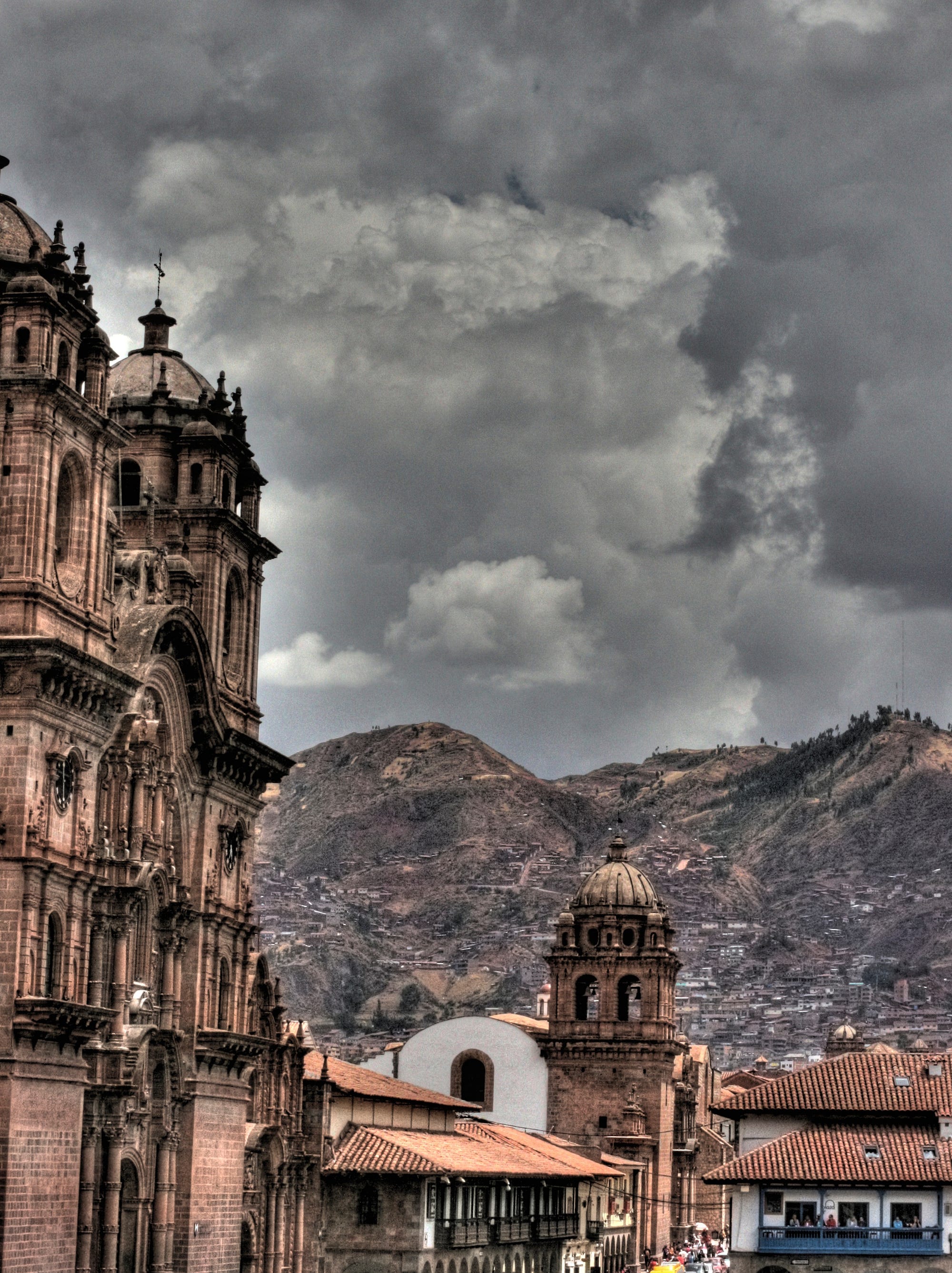 The Plaza de Armas of the city of Cuzco
However the architecture of cities like Cusco and Arequipa in particular, are so spectacularly beautiful, it feels like you’re in the middle of a Spanish or Italian city.
And with Lima the culinary capital of Peru, finding really good food is an easy challenge! Alpaca meat is readily available and is a staple ingredient for this country but they can be quite inventive with it; crumbing steaks, stir fries, meatballs, soups; and I have to say, it’s quite a tasty piece of meat.
Market food is also quite good and it’s perfect for money conscious travelers (a.k.a, cheep-o backpackers) like ourselves. You could easily find a meal for under $2AUD, the standard being hearty quinoa soups, meat stews, or mixed rice with the standard fried plantain side, but what was quite exceptional was the freshly squeezed juice sold for a mere $0.50AUD from little juice stalls only armed with two blenders but a plethora of fruit choices.
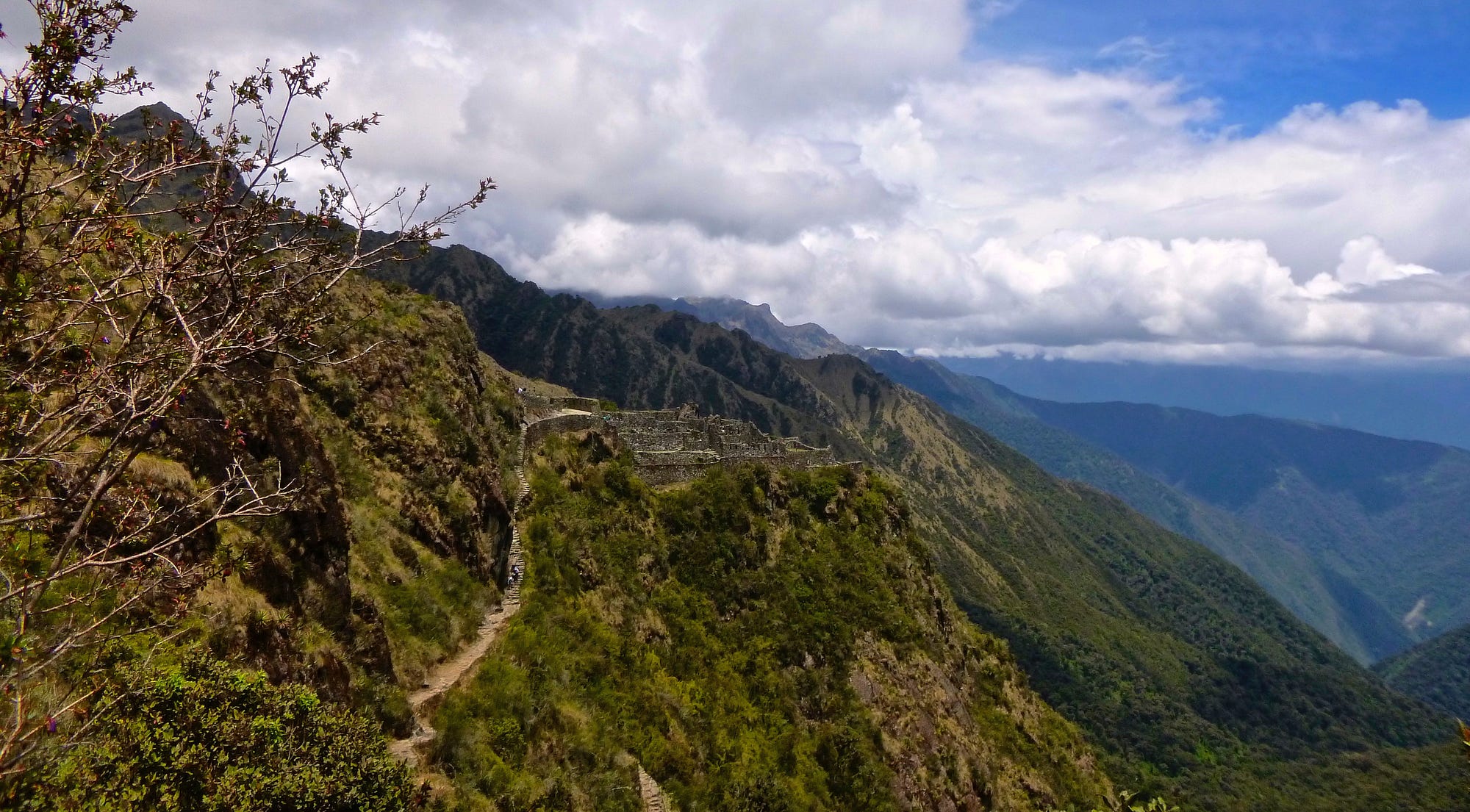
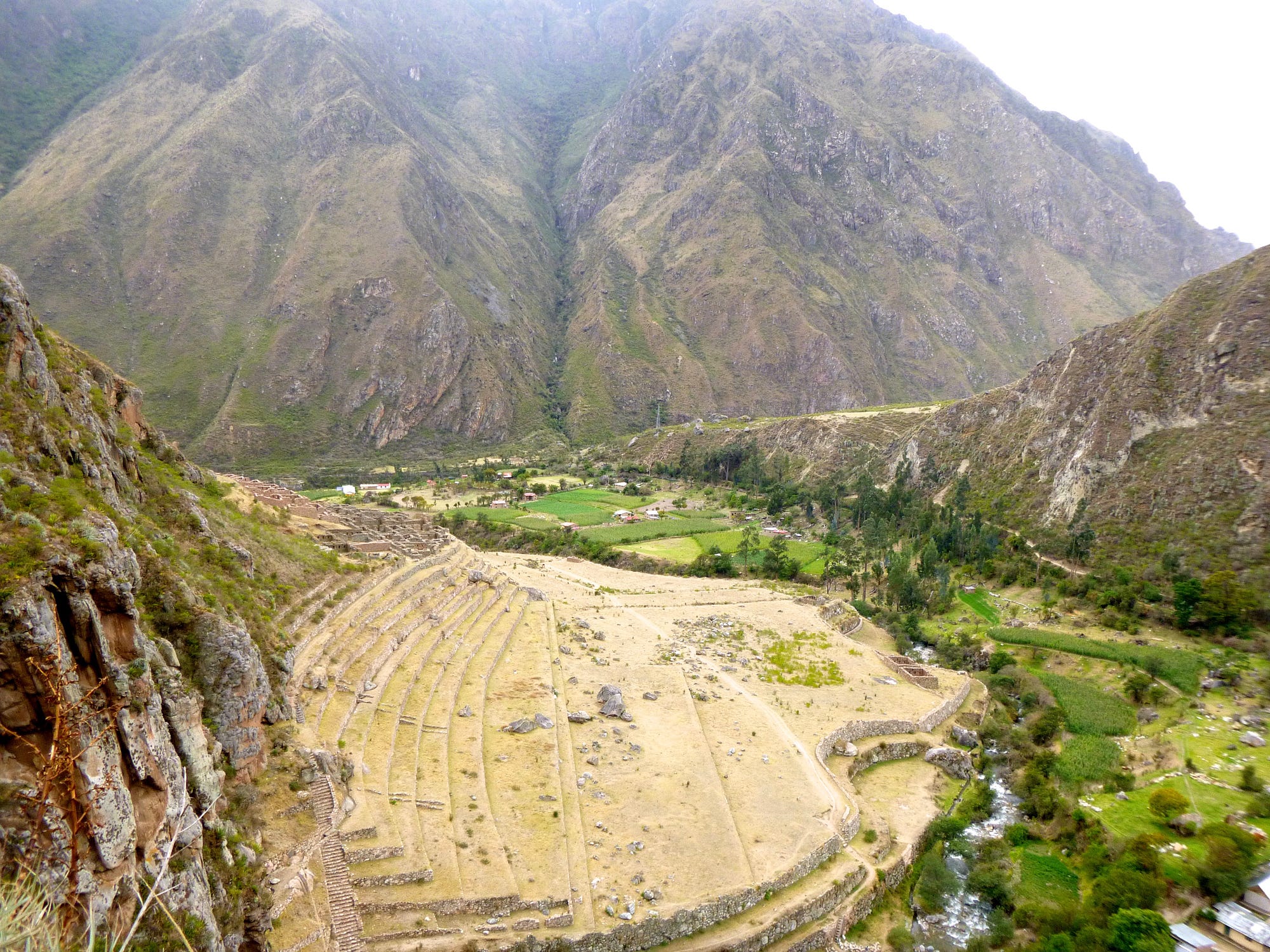
Both above and below are some of the ruins found in the Andean valley on our trek to Machu Picchu. New ruins and ancient Incan paths that have been hidden under dense growth for hundred of years are being found on a regular basis, showing the span of the Incan Empire to some of the most harshest and remote environments.
All in all, Peru is a truly beautiful place. It’s mysterious, tantalising, and richly diverse. It should never be left off any traveler’s itinerary, as it’s a county that’s sure to not disappoint.